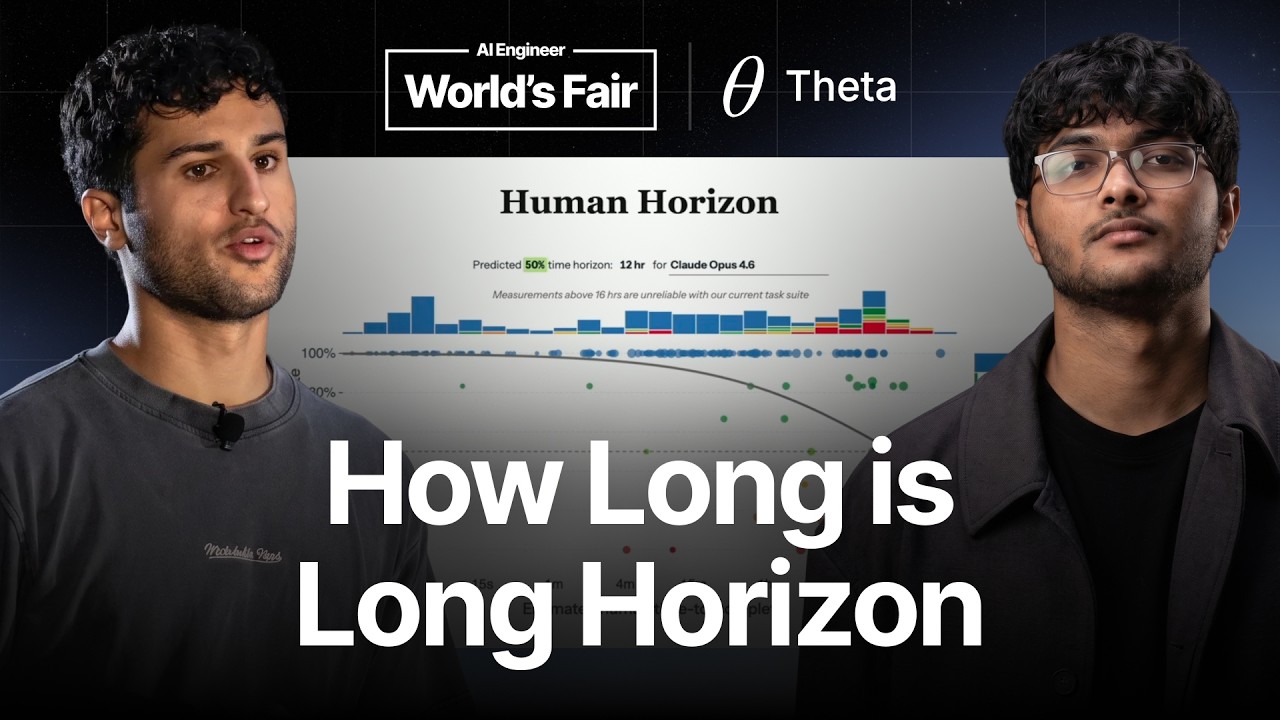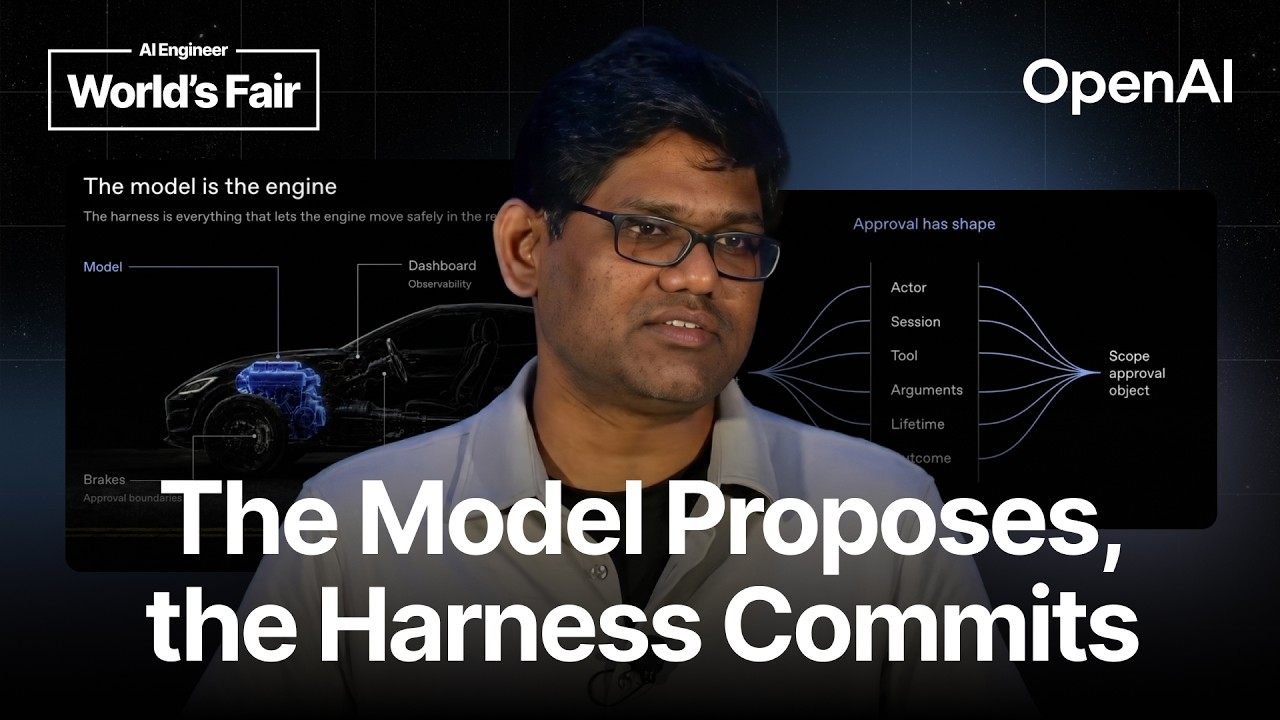
Why first: Kundel opens the machine and names its parts: context, tools, sandbox, approvals, continuation and compaction. Mistele can then narrow the argument from everything a harness controls to the mechanism that keeps work moving: the loop.
When an agent forgets its plan, edits the wrong file or declares victory without changing anything, the model is only one suspect. The harness selected its context and tools, decided where code would run, and defined what required approval. Opening that machinery reveals a measurable loop, which then needs a safe Linux environment. Longer jobs add a harder requirement: earlier actions must change the world a later step sees, and the judge must inspect that state rather than trust a polished final answer. Plans and progress files carry work between fresh sessions while a separate evaluator checks the running application. Event logs can later rebuild the run, checkpoints let a team fork it, and receipts prove what actually reached the user.

Why first: Kundel opens the machine and names its parts: context, tools, sandbox, approvals, continuation and compaction. Mistele can then narrow the argument from everything a harness controls to the mechanism that keeps work moving: the loop.

Why second: Kundel inventories the harness. Mistele gives its loop a shape: measure the codebase, make one change, measure again, and do not create work faster than people can review it. Bhardwaj follows by asking where that loop can safely execute.

Why here: Mistele limits what one loop attempts. Bhardwaj limits where it runs. MicroVMs put another boundary between generated code and the host kernel, while memory and filesystem snapshots let an agent return to a working state after a bad plan.

Why here: Bhardwaj preserves the environment. Garg explains what that environment must contain if long work is going to mean anything. Earlier actions have to change later choices, and the judge needs guarded access to the final state rather than a polished answer from the agent.

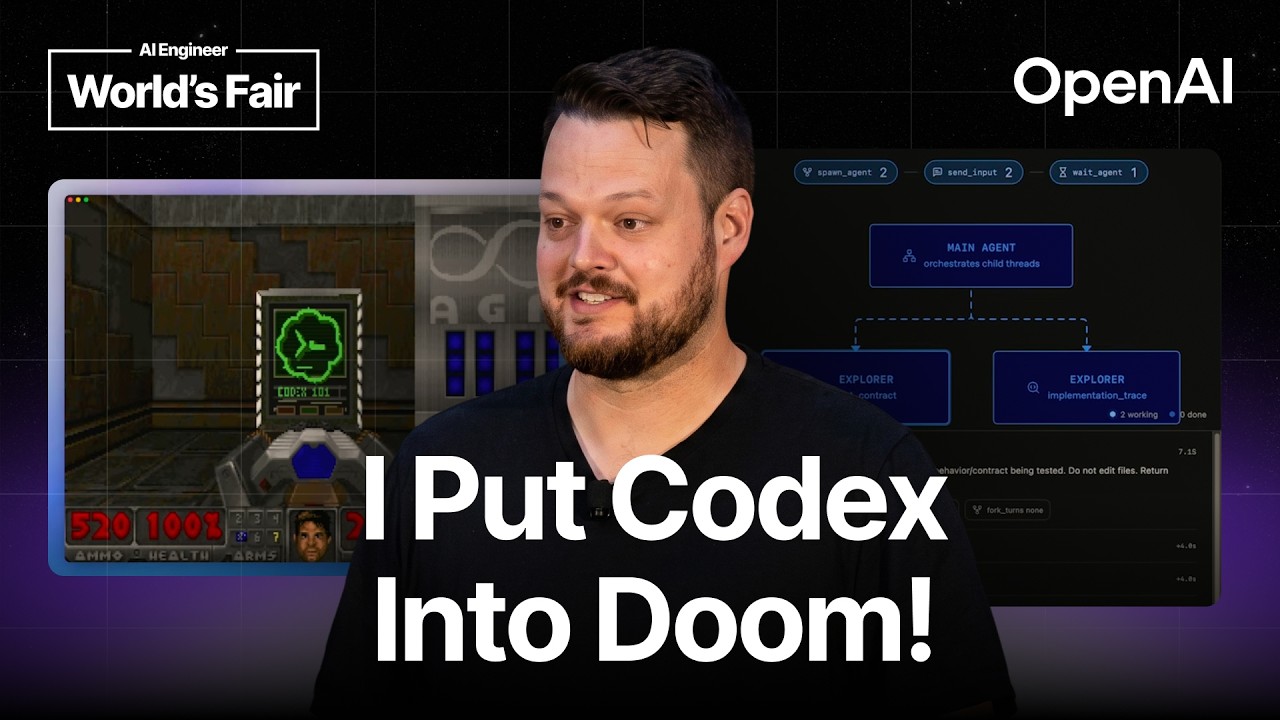
Why here: Garg specifies the environment and the judge. Prabaker and Wilson show the machinery built around them: fresh sessions, a plan, progress files, Git commits, live verification and a separate evaluator that is better at criticism than the generator is at judging itself.

Why here: Prabaker and Wilson use files and contracts to keep a long run coherent. Templestein and Misha expose the state model underneath. An append-only event log can rebuild what the agent knew without repeating the old tool calls and other side effects.

Why here: Templestein and Misha make state reconstructable. Tahir asks for more: a saved execution that includes the code, filesystem and variables needed to resume or fork it. That lets a team test a new model, tool or policy against a production run.

Why last: Tahir shows how to revisit a run. Govindarajan sets the stricter production standard. The harness should prove what woke the agent, what state it inherited, what authority it used, what executed and what evidence reached the user. Without that receipt, success is only a claim.