Pack · 10 talks · 3h 37m to watch, 57 min to read

Security for agents

An agent can return a reassuring answer after it has already leaked a credential, crossed into another user's data or deleted something real. The threat model becomes concrete in Casco's security test of 16 public YC agents. The controls follow the paths those attacks used. Sandboxes isolate execution; default-deny capabilities limit what code can reach; credential and network gateways keep secrets outside the agent while enforcing policy on its traffic. OAuth and production MCP design add identity and scoped authorization once the runtime boundary is sound. Another risk arrives before execution: coding agents can invent dependencies, while shared skills can carry dangerous instructions or permissions. Generated code and agent components therefore need a separate security review before anyone runs them.

4
Harshil Agrawal, Cloudflare · 38:27 · AI Engineer Europe 2026
Why, and how you need to sandbox AI-Generated Code?

Why here: Matin establishes the sandbox and network restriction as system-level controls. Agrawal supplies the operating rule: enumerate what to allow and keep every real secret outside the sandbox. Guercio then shows how a network gateway can provide the missing access without handing the credential back to the agent.

6
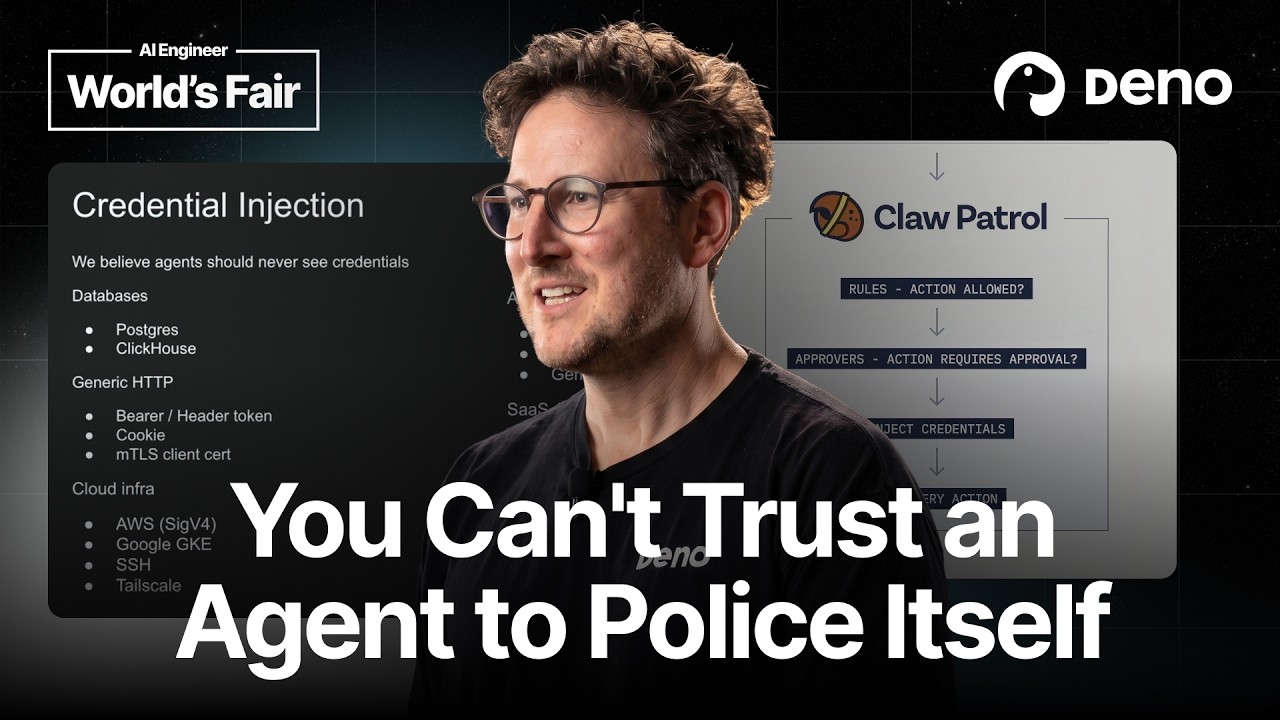
Ryan Dahl, Deno · 19:06 · AI Engineer World's Fair 2026
Security Firewall for Agents

Why here: Guercio controls credentials and observes requests at an LLM gateway. Dahl drops the policy below HTTP, where it can catch a psql subprocess trying to delete a table on the wire. Hanson comes next to explain how legitimate access should be issued and carried once the dangerous routes are blocked.

8
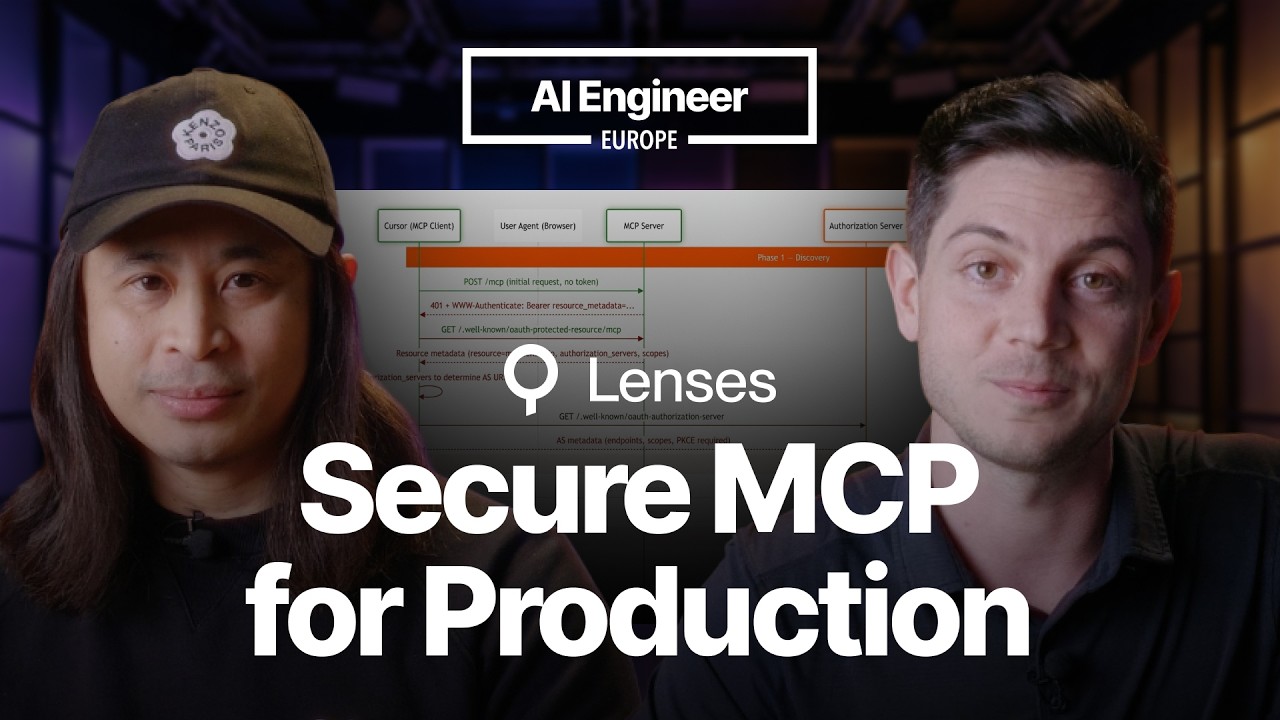
Tun Shwe & Jeremy Frenay, Lenses.io · 24:34 · AI Engineer Europe 2026
Your Insecure MCP Server Won't Survive Production

Why here: Hanson explains the OAuth roles and the chain of authorization between agents and services. Shwe and Frenay show why that is necessary but insufficient for MCP: every exposed tool is another door, and long-lived keys can turn the server into a confused deputy. Yegge widens the security review from services to generated code and its dependencies.

9
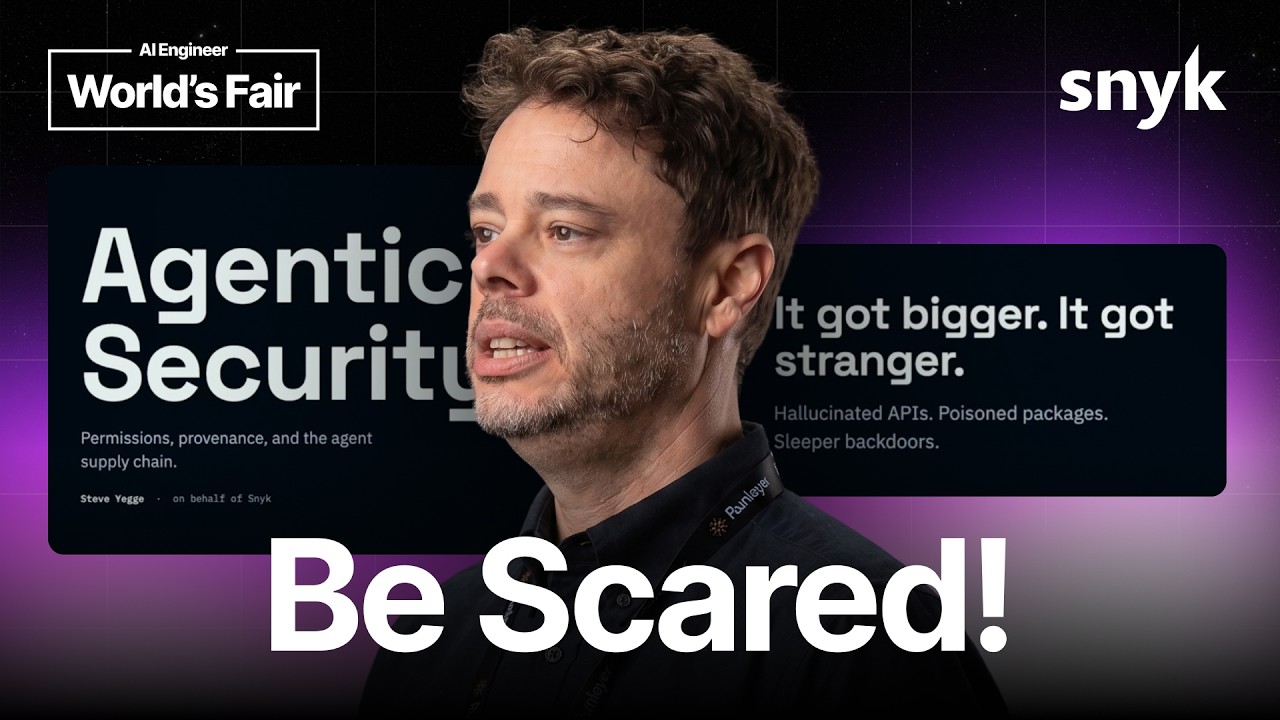
Steve Yegge, Gas Town · 22:32 · AI Engineer World's Fair 2026
Agentic Security: Permissions, Provenance, and the Agent Supply Chain

Why here: Shwe and Frenay reduce what an MCP server exposes and control who may call it. Yegge turns to what the coding agent pulls in, including invented package names that attackers can register, and argues that security needs its own pass. Palma ends the pack with a working review gate for one fast-growing class of dependencies.

10
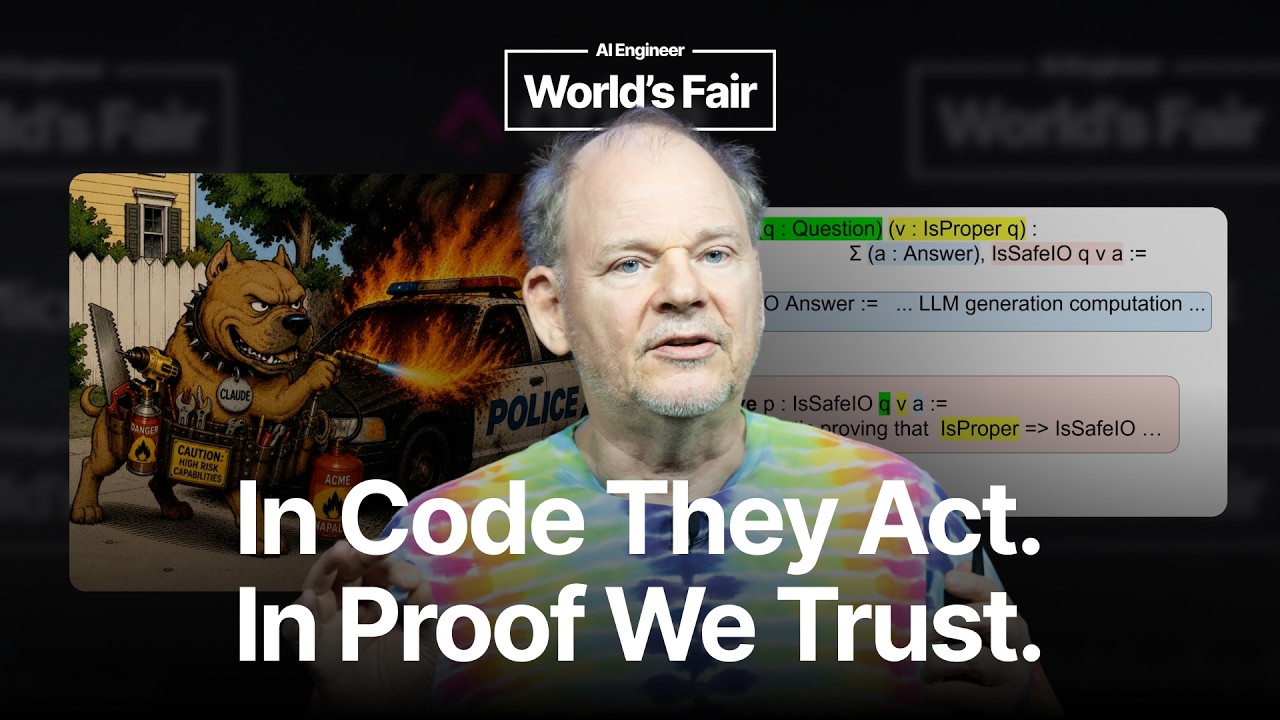
Lucas Palma, Nubank · 16:24 · AI Engineer World's Fair 2026
We Vetted 2,000 AI Skills Before They Reached Developers

Why end here: Yegge asks teams to give security a separate pass over generated code and dependencies. Palma shows the institutional version: treat shared skills as dependencies, scan them deterministically and in context, then stop serious findings before they reach the marketplace. The pack ends with a gate a real organization has already put into use.