Pack · 10 talks · 3h 01m to watch, 59 min to read

Data for models and agents

Training data is not a pile of tokens waiting to become a model. It is a set of choices about what the system should learn, which mistakes count, and how closely a task resembles the world outside the lab. Useful examples have to be selected, visual variety preserved, teachers chosen and failures found before they disappear into scale. Agent environments make the same problem easier to see. Broken tasks reward the wrong behavior, synthetic users invent details unless they are grounded, and even a realistic sandbox leaves out parts of production. Opt-in product traces can repair the next training set, but only after filtering turns raw behavior into examples worth learning from.

1
Chang She, LanceDB & Noah Shpak, Character AI · 16:32 · AI Engineer World's Fair 2024
The Hierarchy of Needs for Training Dataset Development

Why first: She and Shpak treat dataset development as an engineering system rather than a one-off export. Cleaning, versioning, random access, streaming and analysis all have to work before anyone can make a defensible selection. Morcos follows by asking which examples should make it through that system.
4
Ryan Marten, Bespoke Labs · 19:59 · AI Engineer World's Fair 2025
OpenThoughts: Data Recipes for Reasoning Models

Why here: Lee curates billions of images with staged filters. Marten applies the same discipline to a smaller reasoning pipeline and tests each choice: question sources, repeated traces, teachers and answer filters. The next talk shows what happens when a good-looking synthetic recipe meets a full training run.

5
Marah Abdin & Robert McHardy, poolside · 17:31 · AI Engineer World's Fair 2026
The Messy Reality of Scale: Synthetic Data and Pre-Training

Why here: Marten finds useful synthetic recipes with controlled experiments. This talk follows them into scale, where repetition, replica hashes, precision changes and silent corruption can turn a data result into a training failure. Crawford narrows the problem again by asking whether an agent task deserves to be trained on at all.

7
Ishan Anand, InsightSciences.ai · 21:09 · AI Engineer World's Fair 2026
Persona Engineering: A Field Guide to AI Synthetic Personas

Why here: Crawford separates genuine difficulty from noise in a task definition. Anand does the same for synthetic personas. Models invent missing context, react to answer order and predict statements better than actions. Gupta and Rajpal follow with a production system that grounds those simulated users in tools and account state.

8
Aman Gupta, Nubank & Shreya Rajpal, Snowglobe · 16:29 · AI Engineer World's Fair 2026
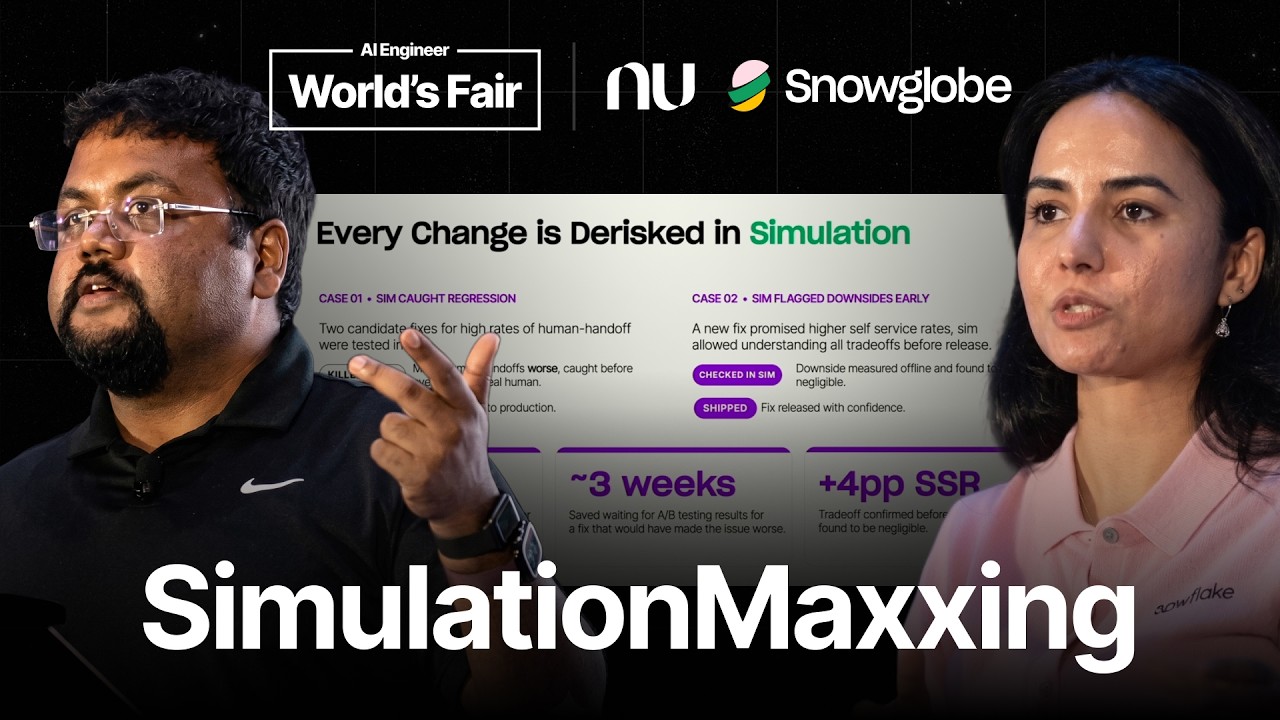
SimulationMaxxing: How We Ship Agents 20× Faster

Why here: Anand says synthetic people are forecasts that need checking against reality. Gupta and Rajpal show that check in practice. Nubank compares simulated and real conversations before using the synthetic set to screen agent changes. Wang then asks how much of the surrounding workplace a simulation must contain.

9
Joseph Wang, Emulated · 16:33 · AI Engineer World's Fair 2026
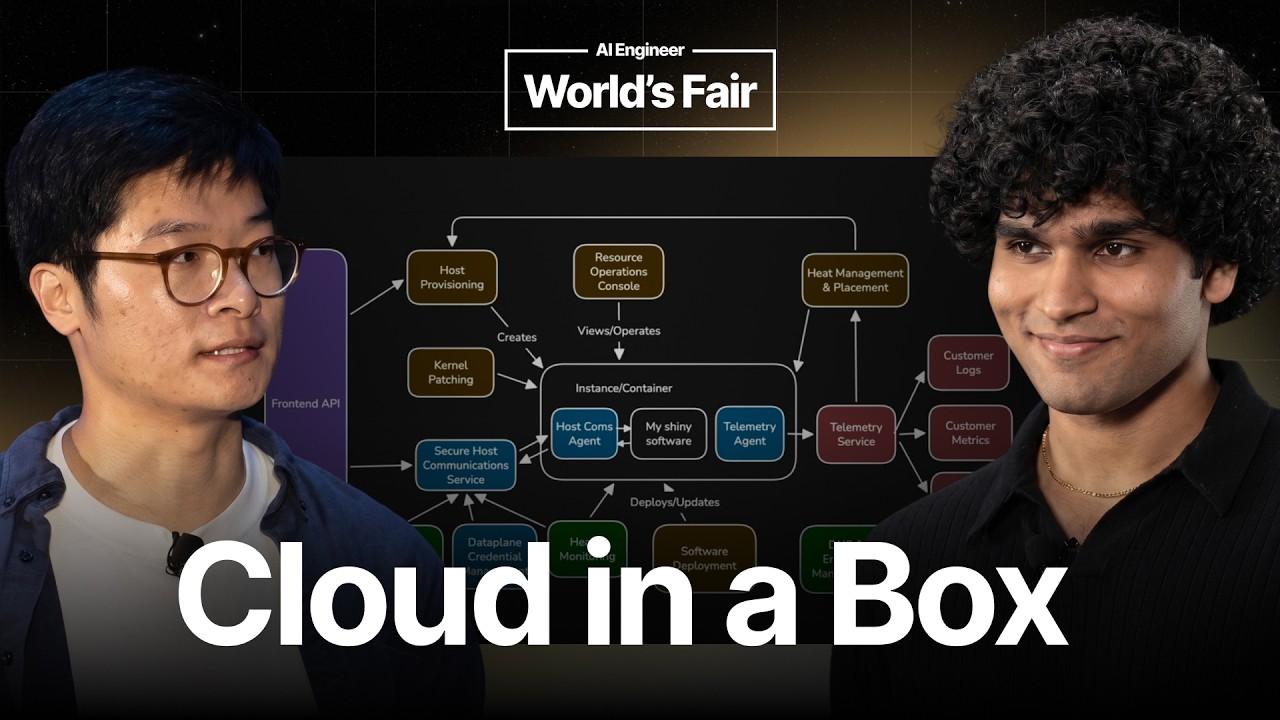
The Data for Fully Autonomous Software Engineers and Companies

Why here: Nubank simulates a customer, account state and mocked tools around an existing agent. Wang widens the environment to projects, incidents, deployments, distributed failures and real cloud resources. Zhao and colleagues close the pack by showing another source of difficult data: the product as people actually use it.

10
Ben Kunkle, Zed · 10:50 · AI Engineer Europe 2026
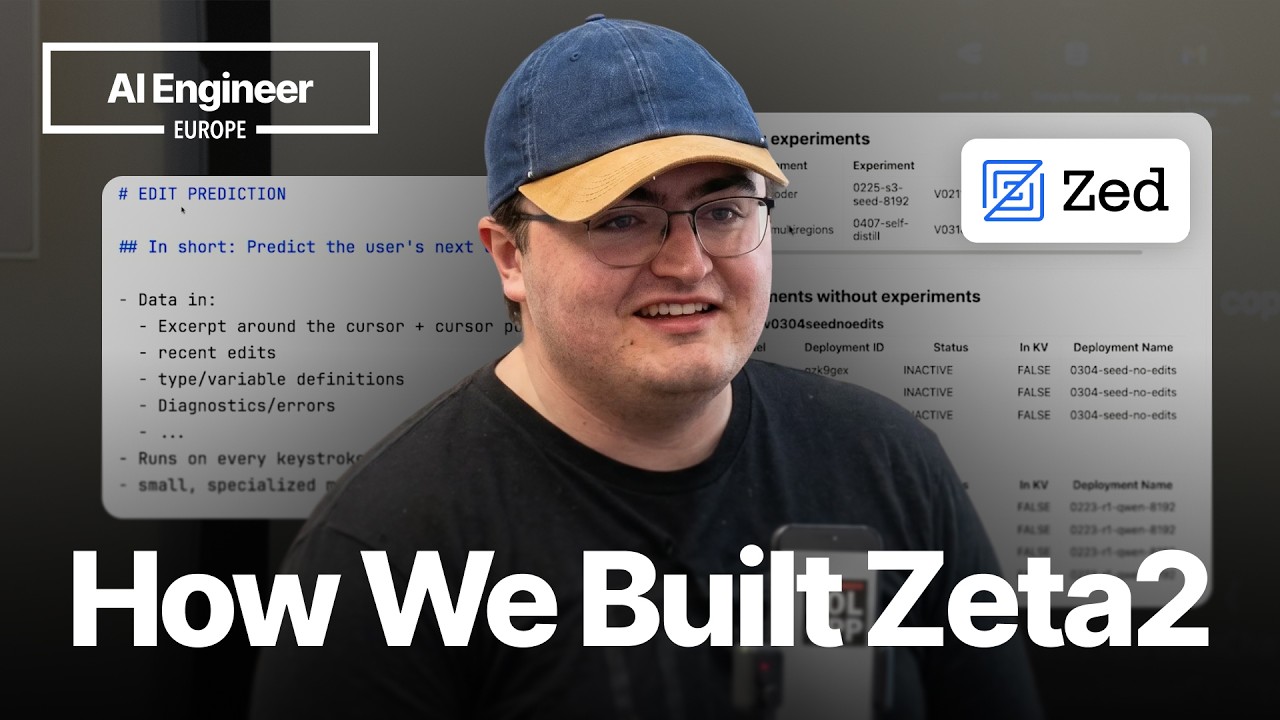
How We Built Zeta2: Training an Edit Prediction Model in Production

Why last: Wang builds a richer imitation of production. Zhao and colleagues begin with opt-in production snapshots, repair teacher predictions, remove noisy moments and train a small model for the next keystroke. It is a fitting end because the dataset is no longer upstream of the product. Use generates evidence, and that evidence changes the next model.

After this pack: Post-training and RL →